EP.11
Sterling Crawford · Boise Impact Group
The Lost Art of Human Connection
Sterling Crawford on the lost art of human connection, the small acts of kindness that change a day, and why people matter.
Oct 14, 202601:10:55
Real conversations with the chefs, operators, farmers, barbers and salvage-yard owners who refuse to let the standard slip. No fluff. No surface-level takes.
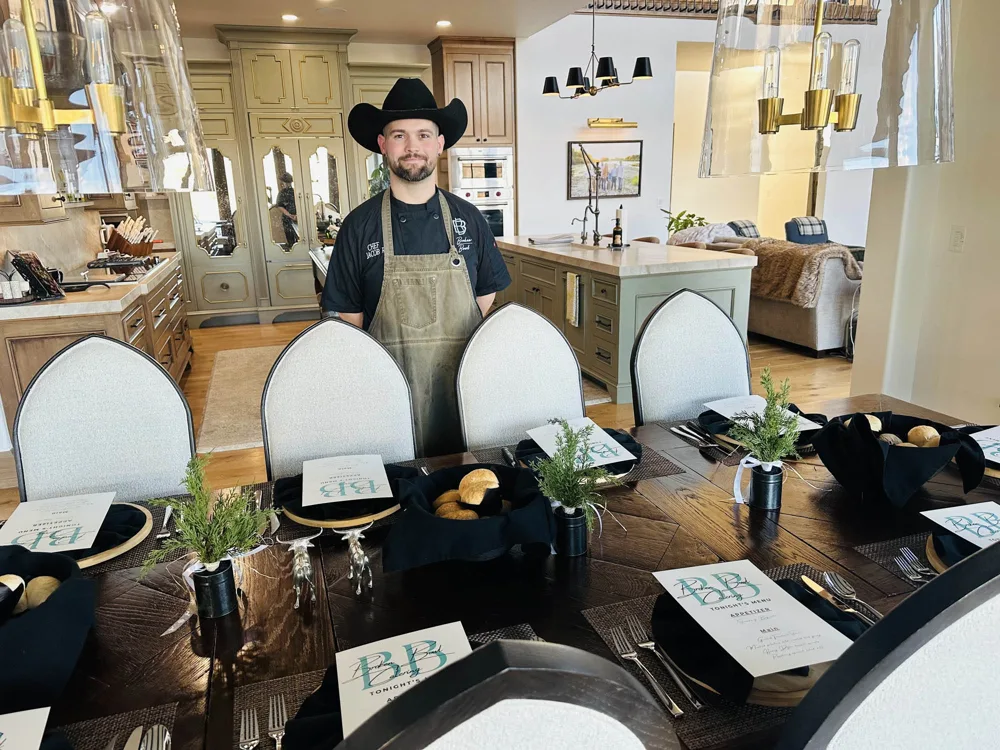 Good food. Better company.Jacob Bybee · Broken Bowl Catering ↗
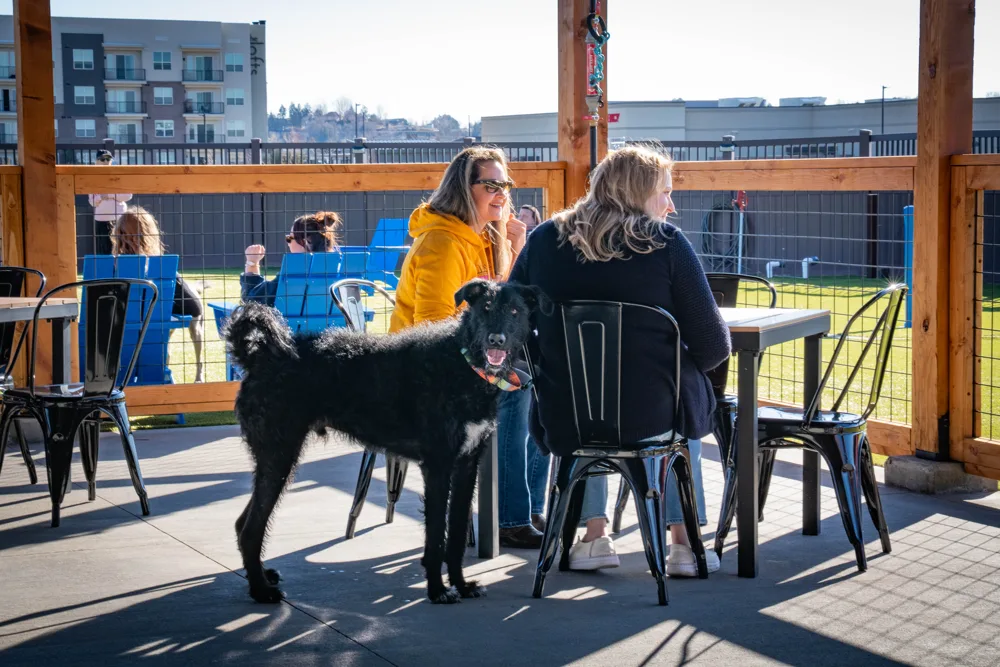 Hospitality has no dress code. ↗
Sterling Crawford on the lost art of human connection, the small acts of kindness that change a day, and why people matter.
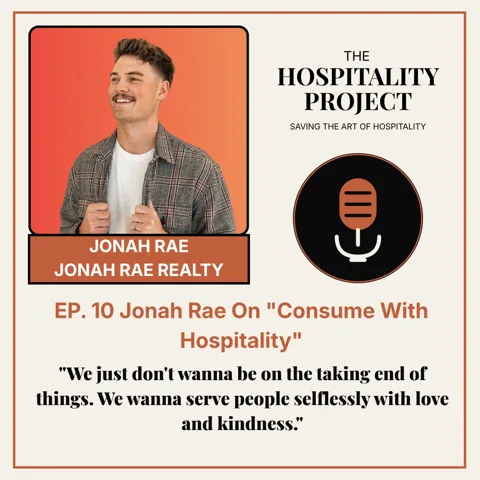
A third-generation Treasure Valley realtor on why a closing is never a transaction, why agents end up wearing the therapist hat, and why hospitality runs both directions.
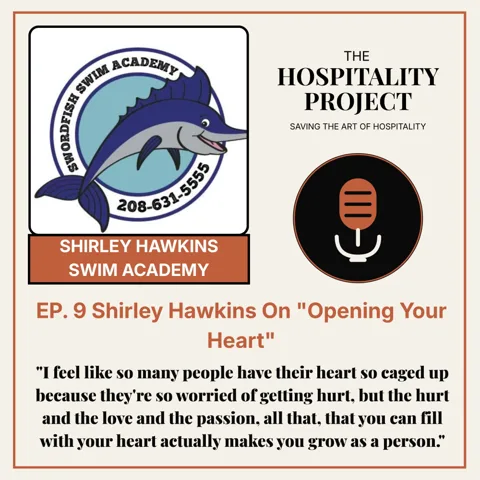
She threw out the rulebook she was certified on — no age groups, no levels, water kept at 90 degrees. Eighteen years later families drive an hour and a half to get there.
Texas Hill Country, a mom who could make anything out of nothing, and a brand built on a word nobody expects. Hospitality as something you earn and carry with you.
What hospitality looks like in a salvage yard. A former winemaker makes the case that a great guest experience was never reserved for restaurants and hotels.
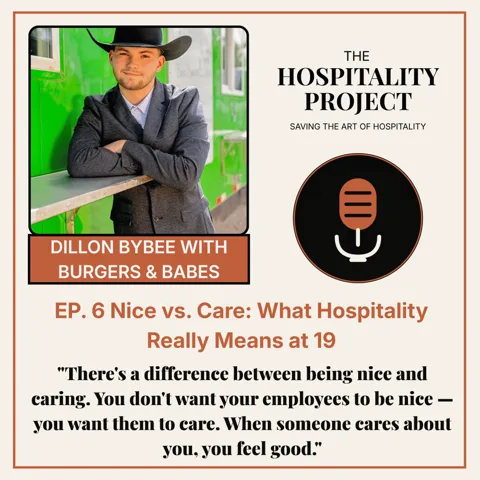
Nineteen and already his own boss. You can train hospitality up to eighty percent — the last twenty comes down to actually caring, and that part can't be coached.
From flight attendant to dog-park bar owner. Hospitality isn't a department, it's a posture — and she has the 12,000 square feet of off-leash proof.
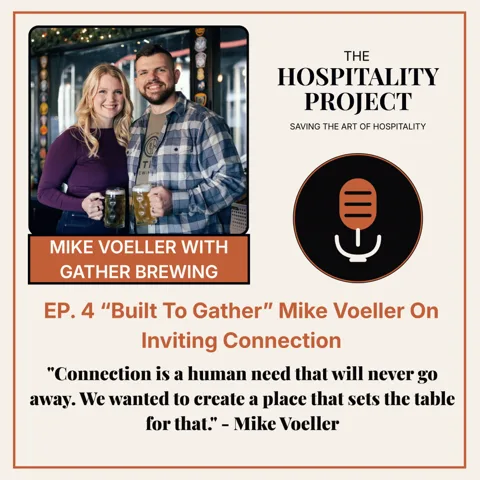
From cooking on Coast Guard ships to sixteen taps in his living room. What it means to be the morale of the ship, and building a team that cares when you're not watching.
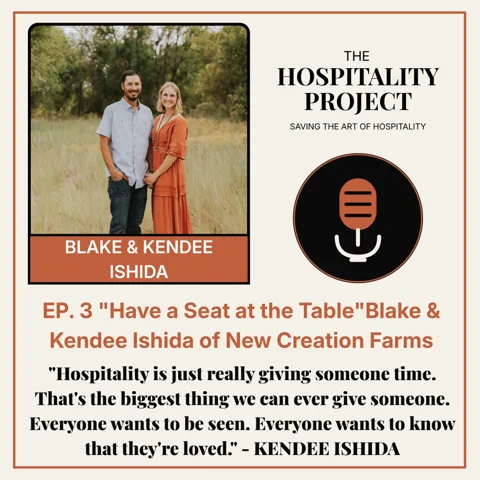
A pumpkin patch designed to slow people down and a kids' market teaching the next generation to look someone in the eye. It was never really about dinner.
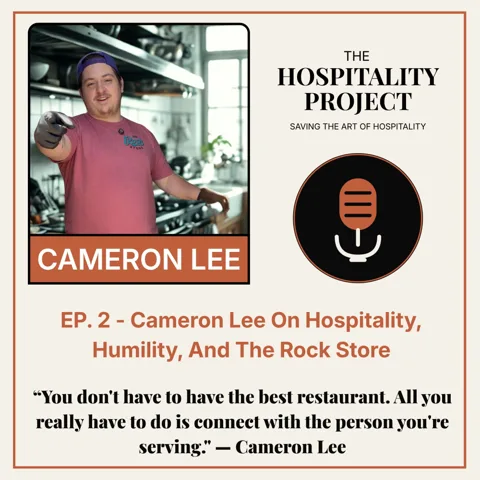
Raised in a big Portland family where every gathering was a celebration. Why humility is the foundation of every great guest experience — and it has nothing to do with food.
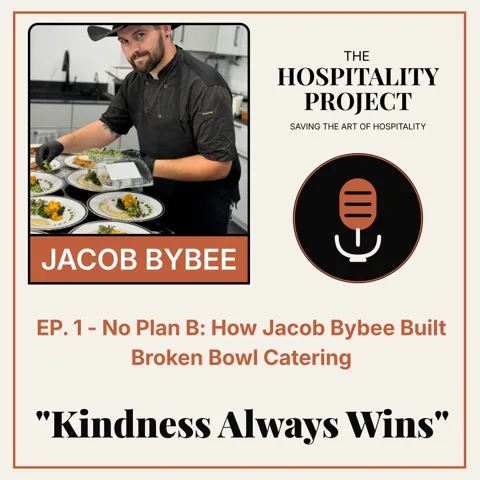
On a mission to be the number one caterer in Idaho. Why customer service isn't dead, how he absorbs the stress so clients don't have to, and the three things that make or break you.
Anyone can buy the same equipment, source the same product and copy the same menu. What can't be copied is how a place makes a person feel.
That skill is getting rarer, and most of it never makes it into a training manual. It lives in people — the ones who notice the table that's gone quiet, who remember a name from eight months ago, who do the extra thing when nobody's watching and nobody thanks them for it.
Every Wednesday, Tyler Simpson sits down with one of those people and asks how they actually do it. Not strategy. Not marketing. The real, specific, unglamorous work of taking care of somebody.

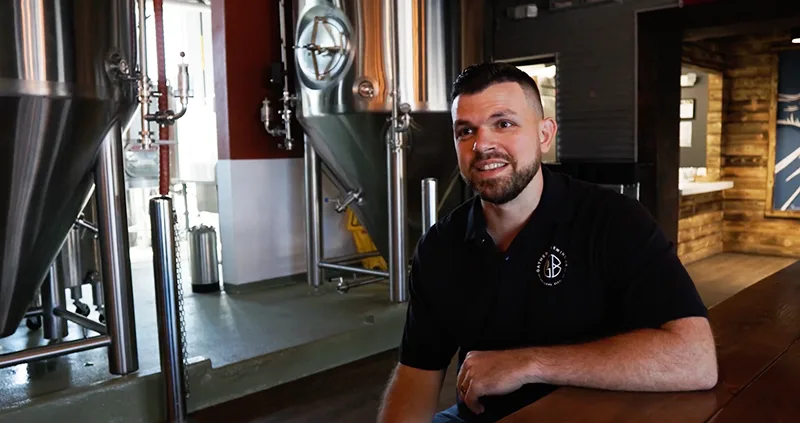
Owners, managers, servers, cooks and anyone whose job puts them across a counter from another human being. If you've ever had to turn a bad day around for a stranger, this show is yours.
An hour with somebody who's figured a piece of it out, and three tips you can put to work on your very next shift. Every guest closes with them. No filler, no sales pitch.
Because service keeps getting cheaper and faster while hospitality gets treated like a luxury. One is a transaction. The other is the reason anyone comes back. We're arguing for the second one.
If you run a place where people feel taken care of — or you work for someone who does — the show wants that story. Send a name, what they do and one thing they do better than anyone else.

Tyler's day job is a grill, tap house, grocery, fuel station and event venue built out of rock and petrified wood on Highway 201. Three generations, one building, and a whole lot of the material this show is made of.